34+ Years of Real HVAC Business Experience · Free 15-Minute HVAC Business Advice Call
Home HVAC Business Coach Atlanta, Georgia
Atlanta–Sandy Springs–Roswell

HVAC Business Coach in Atlanta, Georgia

Leonard Jordan spent 28 of his 34+ HVAC years working in Atlanta. He knows this market runs roughly half gas furnaces, carries 4.8 times Orlando's heating load, and loses a full afternoon to a downtown event weekend. That is not research. That is a career.

28 Years
Leonard operated in the Atlanta market
7,060
HVACR technicians in metro Atlanta
2,531
Annual heating degree days
≈50/50
Gas furnace to heat pump mix
28 Years in This Market

7,060 Technicians. Two Real Seasons. And a Coach Who Ran Here.

HVACR Employment — Atlanta in Context
BLS OEWS, May 2025, SOC 49-9021.
Atlanta–Sandy Springs–Roswell7,060 technicians
Orlando–Kissimmee–Sanford5,140 technicians
Georgia statewide12,290 technicians
Source: U.S. Bureau of Labor Statistics, Occupational Employment and Wage Statistics (OEWS), May 2025, SOC 49-9021 — Heating, Air Conditioning, and Refrigeration Mechanics and Installers. Retrieved via the BLS public API. bls.gov/oes

Metro Atlanta employs 7,060 HVACR technicians — about 37% more than JordanWORX's home market of Orlando. Large, competitive, and genuinely winnable for an owner with real systems behind him.
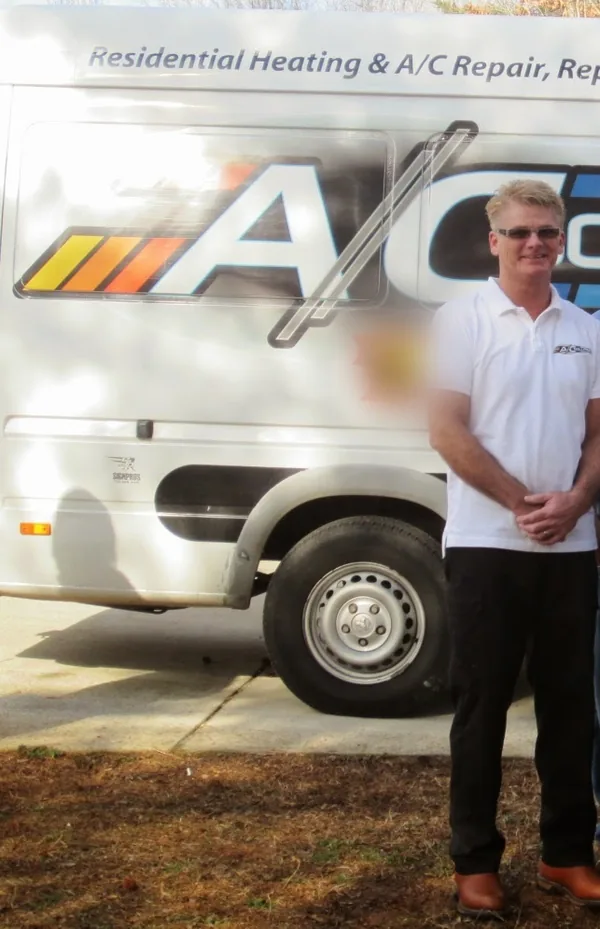
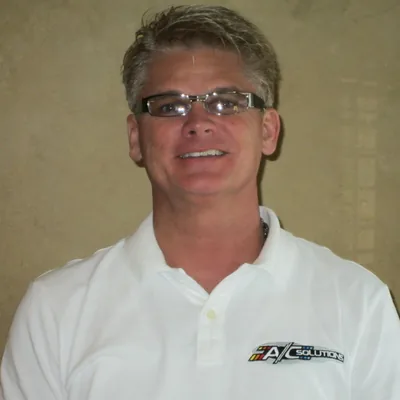
Leonard Jordan with his service van during his 28 years working in the Atlanta, Georgia HVAC market
Atlanta, Georgia. My own truck, my own crew, my own payroll — for 28 years. Former company identifiers have been redacted.
Leonard Jordan, founder of JordanWORX HVAC Business Builders
Leonard Jordan
Founder · JordanWORX HVAC Business Builders

Leonard spent 28 of his 34+ HVAC years in Atlanta. He did not study this market — he ran in it. He knows what a February no-heat week does to a board, why an Atlanta equipment mix is nothing like Florida's, and what it costs to move a truck across the metro at 4:30 on a Friday. He started his first HVAC company from scratch in 1993 and has built, scaled and sold companies since. For Georgia owners, this is not a consultant reaching into a new market. It is somebody coming home.

The Atlanta Calendar, in NOAA Numbers

Your Winter Is a Revenue Season, Not a Slow Period

NOAA 1991–2020 NormalThis MarketOrlando, FLWhat It Changes
Heating degree days (base 65°F)2,530.9524.9A real winter revenue season and a second on-call rotation to staff and pay for.
Cooling degree days (base 65°F)2,051.03,451.6Atlanta records more heating than cooling degree days. Orlando is not close.
Nights at or below 32°F35.71.6Freeze events, no-heat emergencies, and a genuine winter demand spike.
Days at or above 90°F47.1109.9A shorter, sharper summer peak. Capacity and overtime planning both differ.
Annual precipitation50.43 in51.45 inComparable humidity load — the latent-side playbook does transfer.

Source: NOAA National Centers for Environmental Information, U.S. Climate Normals 1991–2020 (annual/seasonal), retrieved from the NCEI data service. Degree days are base 65°F. ncei.noaa.gov

The Equipment Mix Nobody Mentions

Metro Atlanta runs roughly 50/50 gas furnaces to heat pumps. Central Florida runs about 95% heat pumps. If you imported a price book, a truck stock list, or a training plan from an all-heat-pump market, half your Atlanta work is being handled by a system that was never designed for it — heat exchangers, gas valves, ignition, venting and combustion analysis all need their own tasks, parts and competencies.

This figure is Leonard's field experience across 28 years in the market, not a published survey. We label it honestly.

The Atlanta Event Calendar

Atlanta's Event Season Is an Operations Problem

Few markets in the Southeast have a convention and event calendar like Atlanta's — and almost no coaching program will ever mention what it does to your board.

Metro Atlanta hosts a dense year-round schedule of major events: the Peachtree Road Race downtown every Fourth of July, Dragon Con over Labor Day weekend, large conventions at the Georgia World Congress Center, championship football and concerts at Mercedes-Benz Stadium, and festival season across Midtown and Piedmont Park. For a homeowner it is a good weekend. For an HVAC owner it is a routing, staffing and demand event.

Surface Streets Disappear

Downtown and Midtown road closures during major events turn a 25-minute run into 70. Drive time is unbilled labor — and on event weekends it silently eats the day. Zone around them deliberately instead of discovering them at 9 a.m.

They Land on Holidays You Are Short-Staffed

July 4th and Labor Day weekend are two of the biggest event dates on the calendar — and two of the hardest to staff. In a market with 47 days a year above 90°F, a holiday weekend no-cooling call is peak-value work. Decide the on-call plan in April, not the night before.

Commercial and Hospitality Demand Spikes

Hotels, venues and downtown commercial properties cannot afford a failure during a major event. If you hold light-commercial capability, that is premium, high-urgency work — and another reason the five-ton Class I cap deserves a hard look.

Practical Move

Build the metro event calendar into your dispatch planning at the start of each year — the same way you plan around your demand curve. Block the routes, set the on-call rotation, and price emergency response for those weekends deliberately. Most of your competitors will simply be surprised by it again.

What We Build With Atlanta Owners

Systems Calibrated to This Market

Our Verification Standard

Every licensing figure on this page came from the state board’s own website or its official application document. Every employment number came from the Bureau of Labor Statistics. Every climate figure came from NOAA. Where a number could not be confirmed at the primary source, we left it out rather than repeat it.

Licensing rules change. Confirm current requirements directly with the board before making a business decision. JordanWORX provides business guidance — not legal, licensing, or regulatory advice.

Frequently Asked Questions

Do you actually know the Atlanta market?

Leonard Jordan spent 28 of his 34+ HVAC years working in Atlanta. He ran trucks through metro Atlanta traffic, priced jobs against Atlanta competitors, hired Atlanta technicians and carried payroll through Atlanta winters. This is not a consultant researching a new territory — it is someone who built a career in your market.

How big is the Atlanta HVAC market?

The Bureau of Labor Statistics reported 7,060 HVACR mechanics and installers employed in the Atlanta–Sandy Springs–Roswell metro area as of May 2025. For scale, the Orlando metro employed 5,140. Metro Atlanta is roughly 37% larger.

Does Atlanta really have a heating season?

A substantial one. NOAA's 1991–2020 normals for Hartsfield–Jackson show 2,531 heating degree days and 35.7 nights at or below freezing per year, against 2,051 cooling degree days. Atlanta records more heating degree days than cooling degree days. Any plan treating heating as a shoulder-season afterthought is mis-built for this market.

What is the equipment mix in metro Atlanta?

From 28 years operating there, Leonard puts metro Atlanta at roughly 50/50 gas furnaces to heat pumps. Central Florida runs closer to 95% heat pumps. That is field experience rather than a published survey, and we label it that way — but it is the kind of detail that decides your price book, your truck stock, your training plan and your hiring profile.

What should an Atlanta HVAC owner fix first?

Almost always the same three, in this order. One: your true cost per billable hour — everything downstream is priced off a number most owners have never calculated correctly. Two: booking rate, because metro Atlanta's sprawl and traffic make every unbooked call more expensive here than in most markets. Three: a maintenance agreement built for two genuine seasons rather than one.

Do you give advice on Georgia licensing or code?

No — and be careful with anyone who does. We are business builders, not attorneys or license consultants. What we do is help you understand what a license class means economically: what work it lets you bid, what it locks you out of, and what upgrading would be worth in revenue. For the application itself, go to the Georgia Secretary of State directly.

Keep Building

Let's Build It Right Where You Are.

Fifteen minutes with Leonard. Tell him where you are stuck. He will tell you straight what is really holding the business back.

No cost. No obligation. No pressure.